
Learning Corner: Winter Fatigue, Habits, and Learning That Holds


By February, winter has a way of wearing people down.
Shorter days. Cold mornings. Slippery roads. Long stretches of focus with fewer natural breaks. Fatigue builds quietly, and when it does, attention narrows and reaction times slow.
The problem isn’t that people don’t know what to do. It’s that under fatigue and pressure, the brain relies on habit.
That’s why learning that supports winter safety needs to feel familiar, simple, and repeatable. Instead of adding more content, effective programs reinforce small behaviors that hold up when energy is low:
- Pausing before a lane change
- Taking a brief movement break during long shifts
- Doing a quick mental check-in when conditions change
- Slowing down decisions that usually feel automatic
These moments don’t take long, but they add up. When learning reinforces habits instead of just information, it’s more likely to show up on the road, in the yard, or in the warehouse, especially during the toughest months of the year.
How Trainers Can Apply This Right Now
You don’t need to redesign your program to support winter fatigue. Start small:
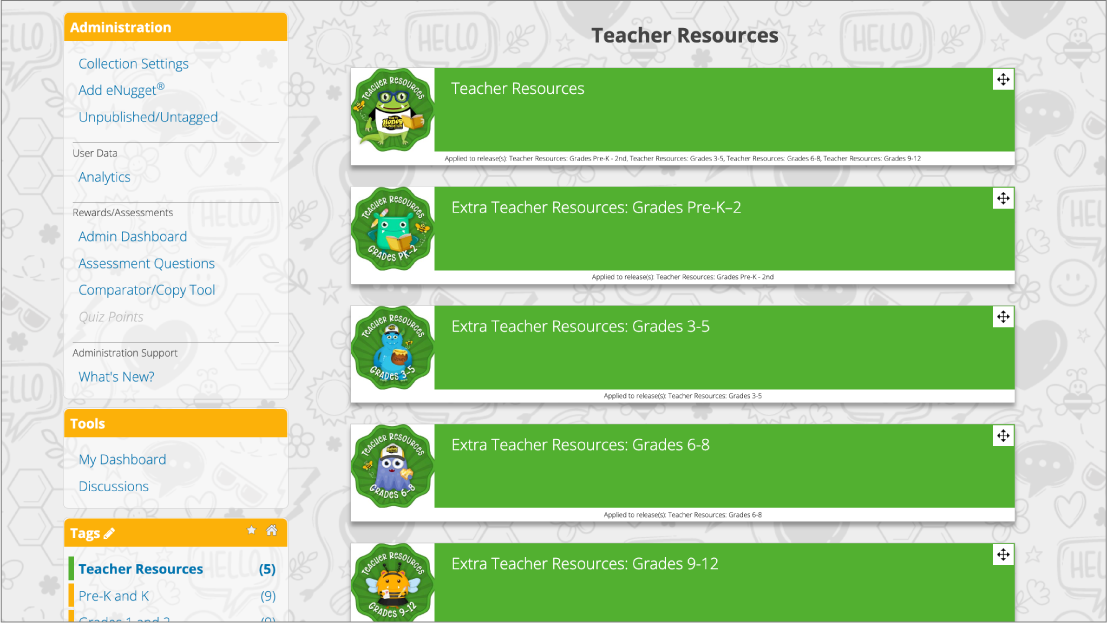
- Add one habit-based refresher to an existing eNugget® instead of launching something new.
- Pair content with a single reflection prompt, such as: “Where does fatigue show up for you most right now?”
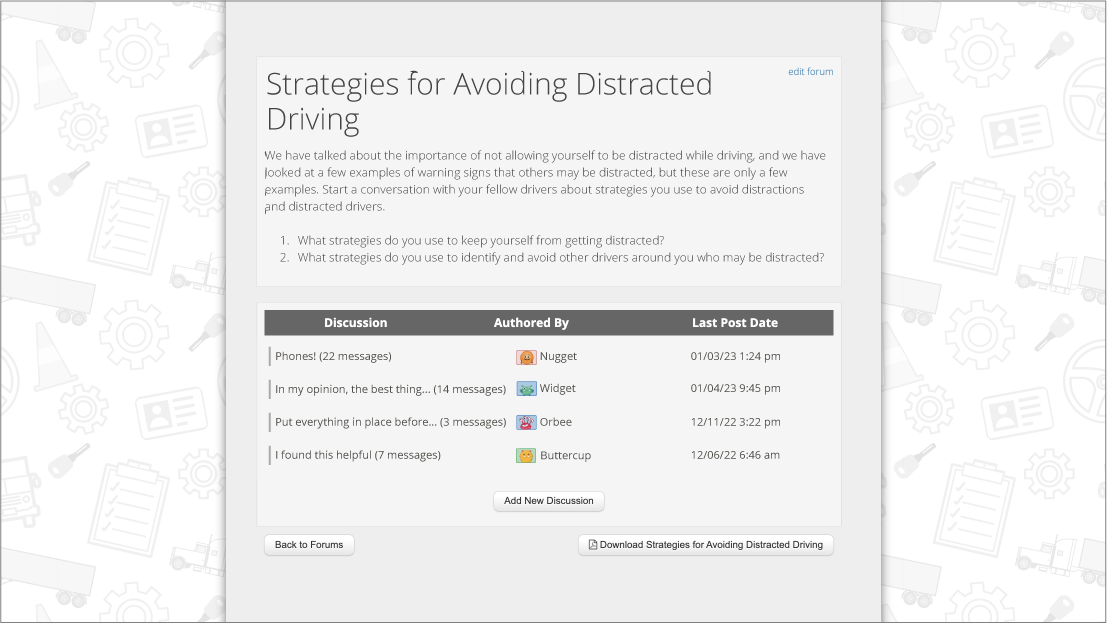
- Use a discussion board or short check-in to let learners share what helps them stay focused in winter conditions.
- Revisit familiar safety topics with a new angle, a different scenario, a question, or a peer insight.
Small, consistent learning moments are what carry people through high-pressure seasons. February is the perfect time to reinforce them!
About Luma Brighter Learning
 Luma Brighter Learning offers an award-winning connected platform that leverages science and data intelligence to benchmark learning performance, ensure compliance, reduce risk, and drive behavior change across the workforce. With microlearning backed by cognitive science, Luma helps knowledge stick and keeps learners engaged. The connected suite of tools simplifies training delivery, tracks progress, and supports real-time coaching. With over 1,400 customizable microlessons, called eNuggets®, Luma enables tailored coaching programs. For budget-conscious organizations, Luma Emerge® provides a cost-effective, high-quality solution. Luma also supports new drivers with Entry-Level Driver Training Programs. Learn more at lumabrighterlearning.com.