
Industry Insight: Nuclear Verdicts Don’t Start in the Courtroom


They start in a moment. A lane change made while distracted. A rushed decision at the end of a long shift. A habit that slipped just once.
By the time a nuclear verdict makes headlines, the story feels sudden and catastrophic. Eight figures. Reputations damaged. Insurance premiums reshaped overnight. But verdicts don’t begin in courtrooms. They begin in small behaviors that were never fully reshaped.
Across the transportation industry, we’re seeing a continued rise in high-dollar litigation. Plaintiff attorneys are no longer just arguing about the crash itself. They’re examining hiring practices, training records, coaching documentation, and safety culture. They’re asking a deeper question: Did this company truly try to prevent this?
And that’s where the conversation changes.
For years, much of driver training has been generic and reactive. A long safety video after an incident. A compliance module once a year. Content delivered in bulk, then forgotten. We know from learning science that this doesn’t work. Without reinforcement, without relevance, without connection, the brain simply doesn’t retain it.
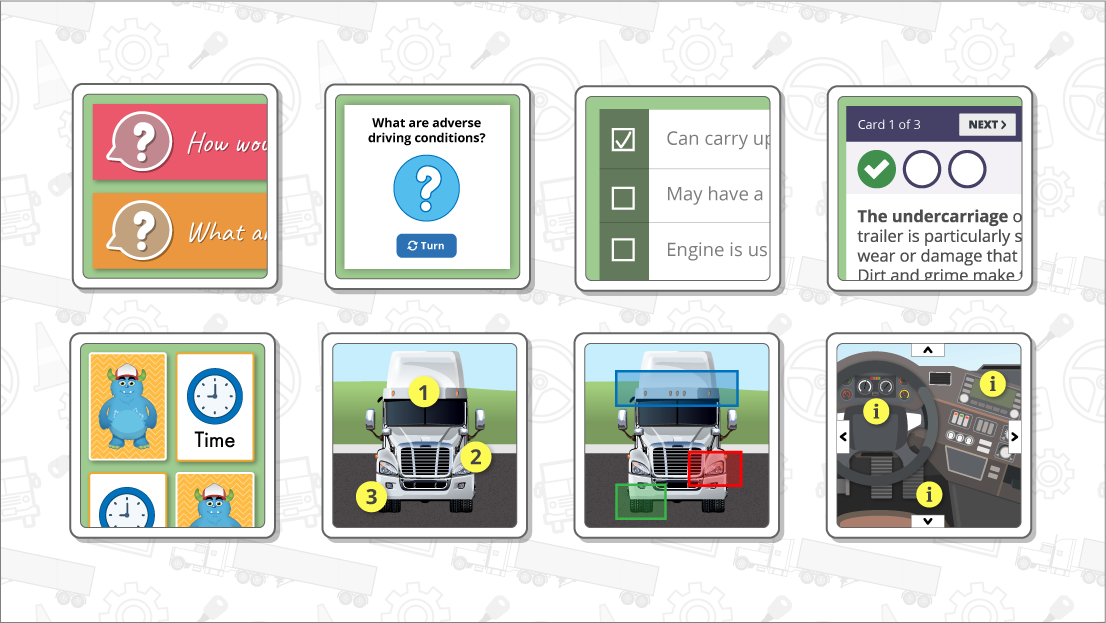
As Luma Brighter Learning CEO Dr. Gina Anderson recently shared in a podcast conversation, content alone doesn’t build neural connections that stick. Real learning requires resonance. It requires authenticity. It requires individualization. And today, technology allows us to do something we couldn’t do before: use performance data to personalize learning paths, deliver just-in-time refreshers before high-risk situations, pair telematics with reflective coaching, and create micro-moments that help drivers connect safety decisions to what matters most in their own lives.
That’s not compliance training. That’s prevention.
When companies ask how to protect themselves from nuclear verdicts, the instinct is often a legal strategy. Documentation matters. Insurance matters. Policy matters. But the strongest protection isn’t built after the crash. It’s built in the months and years before it.
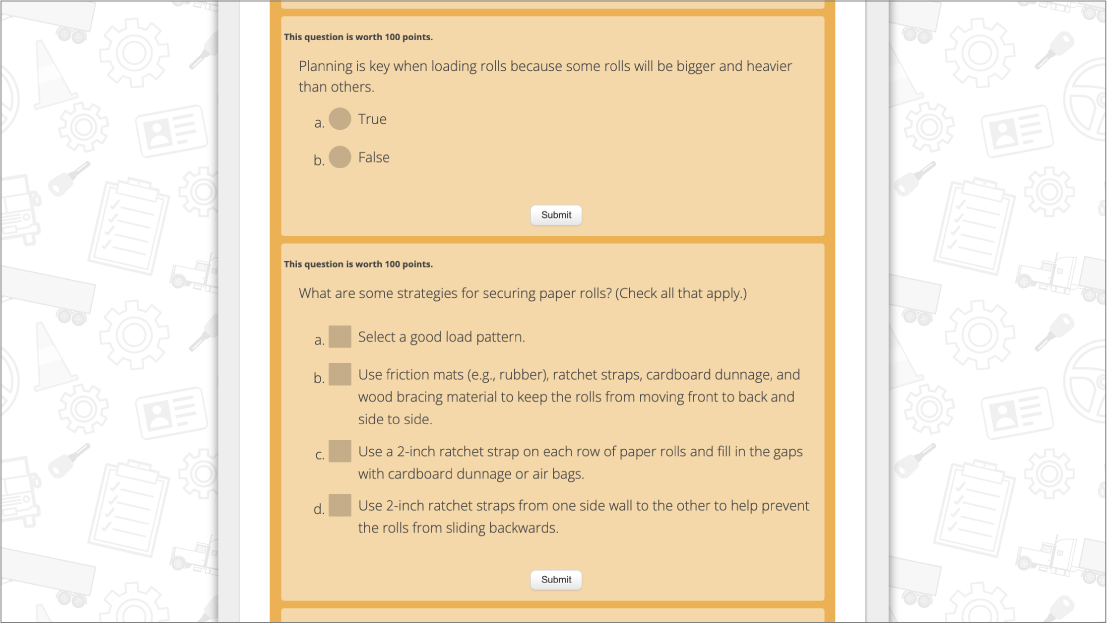
It looks like short, consistent coaching conversations. Authentic scenario-based practice. Microlearning tied directly to real-world risk. A culture where drivers feel seen, not surveilled. Training grounded in behavioral science, not just regulations.
The goal isn’t more content. It’s safer habits.
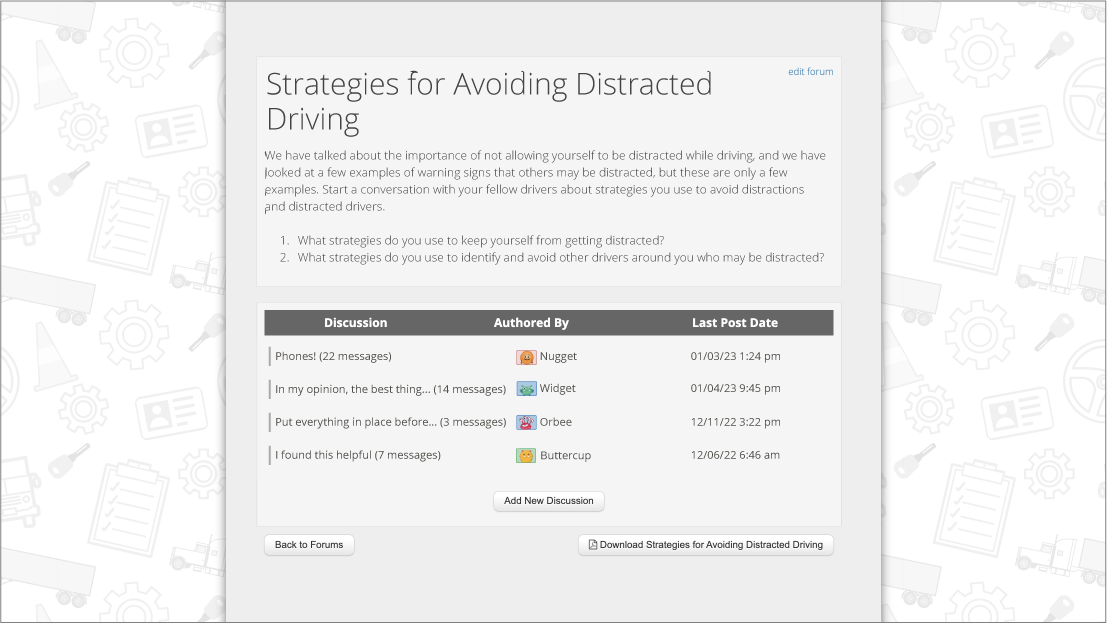
At Luma, we believe safety culture isn’t created through a single initiative. It’s built through repeatable moments, reflection prompts, real footage coaching sessions, and discussion boards where drivers share what they’re seeing on the road. When learning becomes continuous and human-centered, something shifts. Drivers don’t just complete training. They practice it.
And when habits change, outcomes change.
Nuclear verdicts may dominate headlines. But the real story, the one that matters, happens long before that. It happens in small moments—the kind we still have time to influence.
About Luma Brighter Learning
 Luma Brighter Learning offers an award-winning connected platform that leverages science and data intelligence to benchmark learning performance, ensure compliance, reduce risk, and drive behavior change across the workforce. With microlearning backed by cognitive science, Luma helps knowledge stick and keeps learners engaged. The connected suite of tools simplifies training delivery, tracks progress, and supports real-time coaching. With over 1,400 customizable microlessons, called eNuggets®, Luma enables tailored coaching programs. For budget-conscious organizations, Luma Emerge® provides a cost-effective, high-quality solution. Luma also supports new drivers with Entry-Level Driver Training Programs. Learn more at lumabrighterlearning.com.